Next.js Authentication System - Complete JWT Security Implementation
Production-ready authentication system built with Next.js 13, featuring JWT-based sessions, bcrypt password hashing, and comprehensive user management. Includes protected routes, profile management, and secure API endpoints.
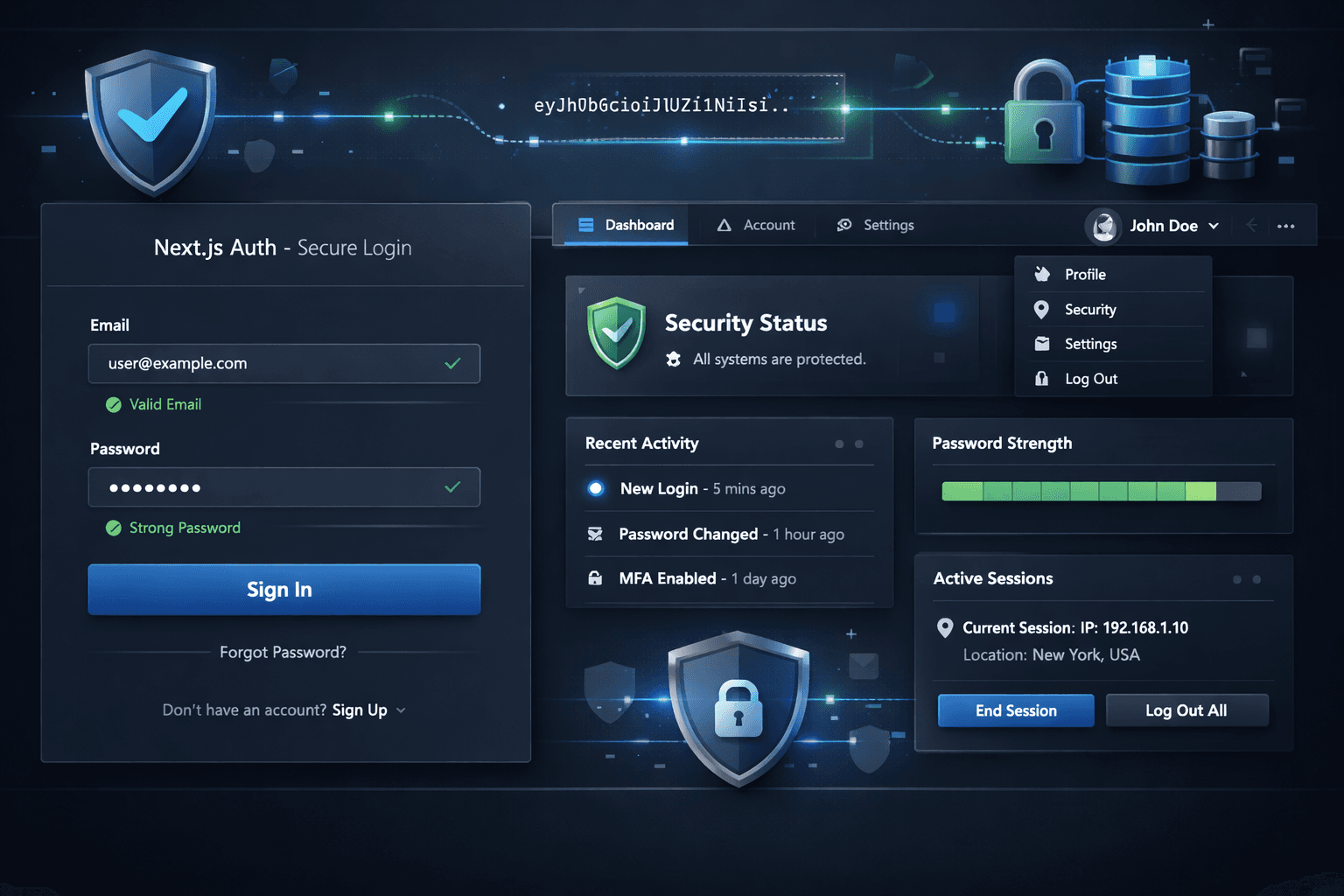
Next.js Authentication System - Complete JWT Security Implementation
🚀 Live Demo: Experience the Authentication System
📸 Project Preview
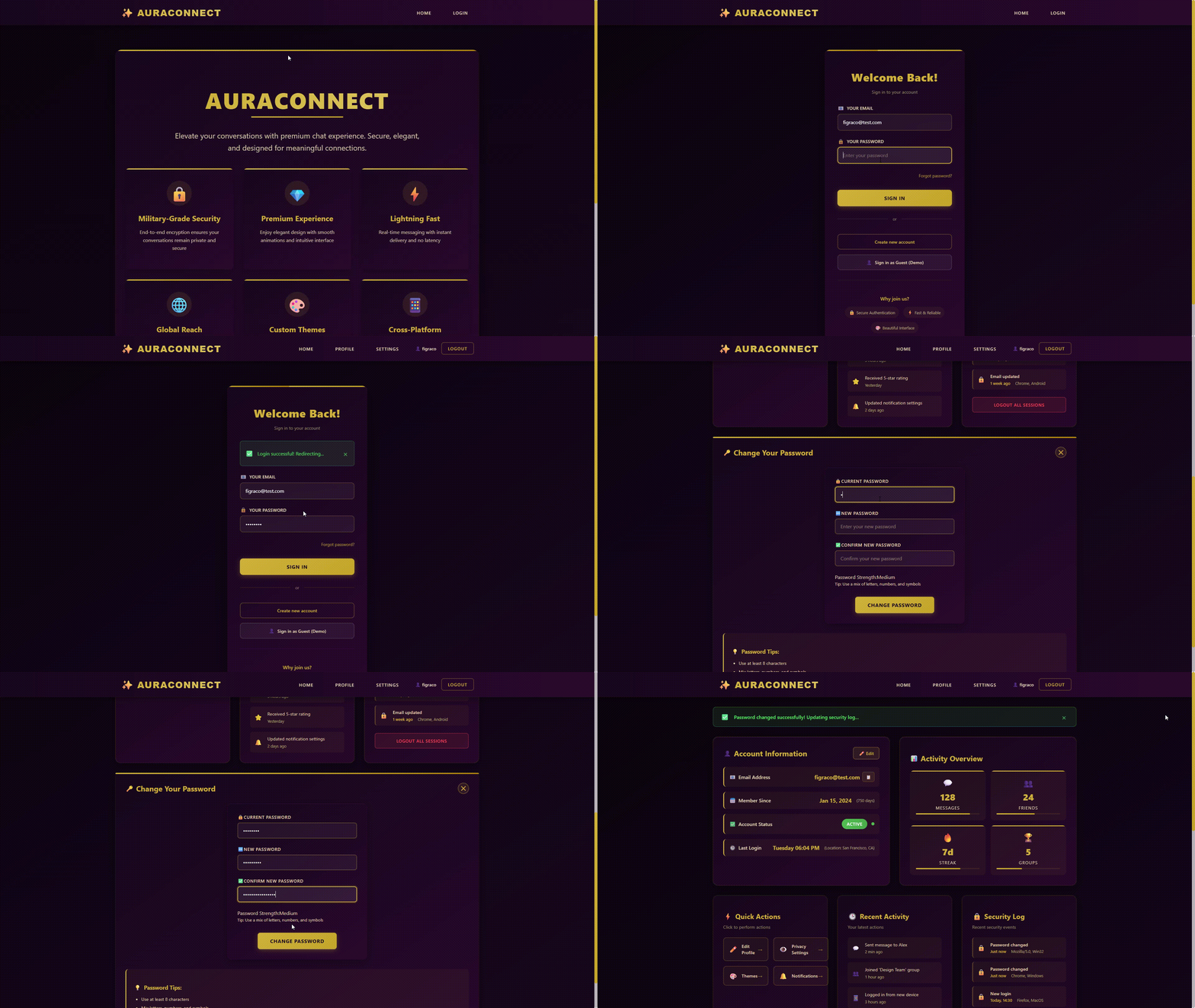

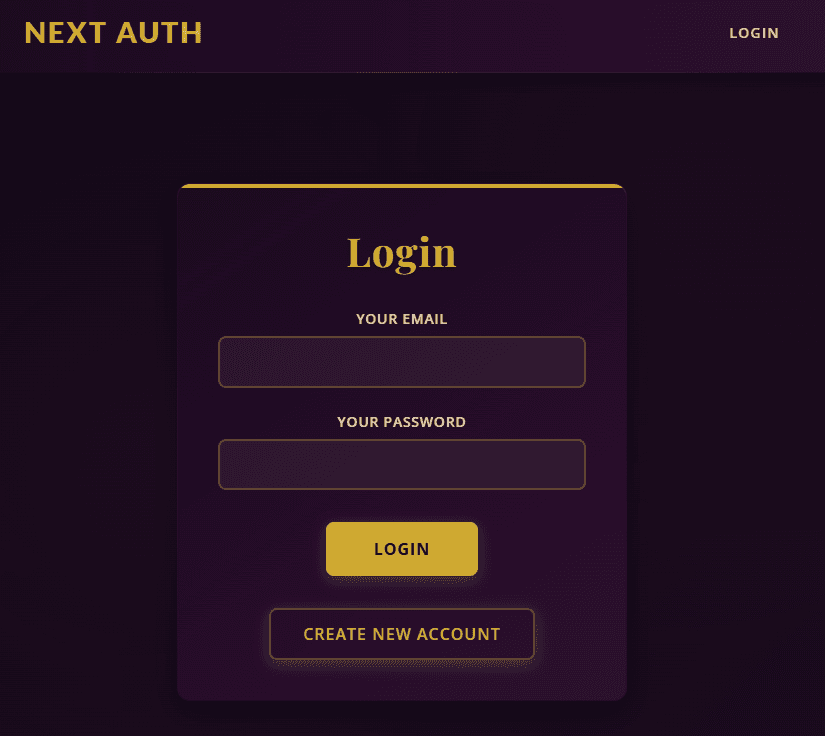
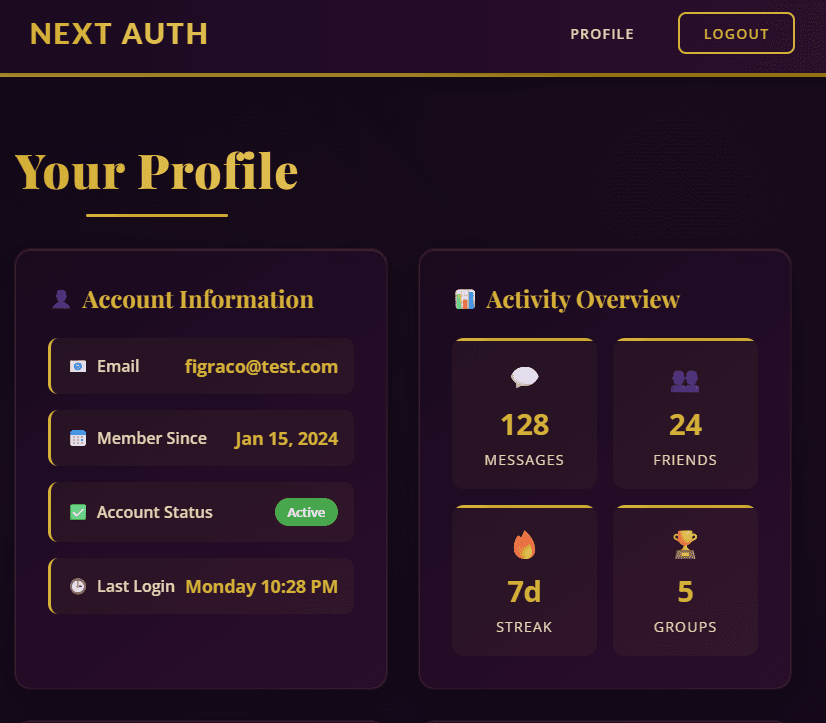
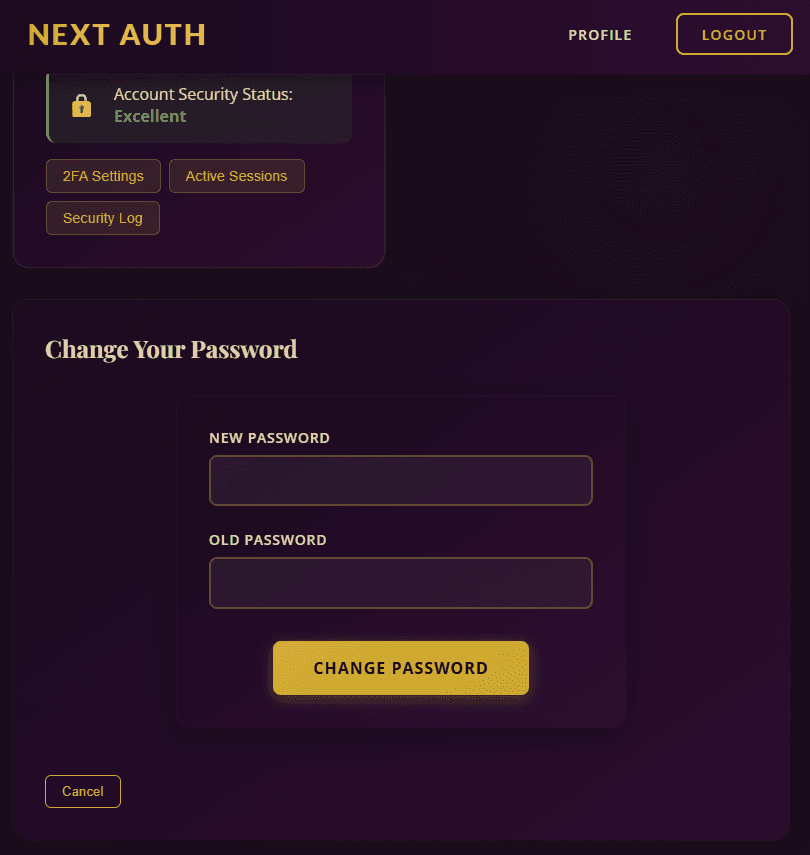
🚀 Quick Links
- 🌐 Live Demo - Experience the full authentication flow
- 💻 GitHub Repository - Review the complete source code
📋 Table of Contents
- 🔧 Core Architecture
- 🔐 Security Implementation
- 🛡️ Protected Routes System
- 🗄️ Database Integration
- 👤 User Management Features
- ⚡ Performance & Optimization
🔧 Core Architecture
Modern Authentication Stack
This system implements a complete authentication solution using the modern Next.js stack:
- Next.js 13 with Pages Router architecture
- React 18 with functional components and hooks
- NextAuth.js v4.22 for comprehensive authentication
- MongoDB for secure user data storage
- bcryptjs for password hashing (12 salt rounds)
Project Structure Overview
text├── /components/ │ ├── /auth/ # Authentication UI components │ ├── /layout/ # Layout and navigation │ ├── /profile/ # Profile management components │ ├── /settings/ # Settings interface │ └── /starting-page/ # Landing page components ├── /pages/ │ ├── /api/ │ │ ├── /auth/ # Authentication API endpoints │ │ └── /user/ # User management API │ ├── /auth # Login/Registration page │ ├── /profile # User profile page │ └── /settings # User settings page ├── /lib/ │ ├── auth.js # Password hashing utilities │ └── db.js # MongoDB connection ├── /public/ # Static assets └── /styles/ # CSS Modules styles
🔐 Security Implementation
Password Security Architecture
The system uses bcryptjs with 12 salt rounds for secure password storage:
javascript// lib/auth.js - Core security utilities import { hash, compare } from "bcryptjs"; export async function hashPassword(password) { const hashedPassword = await hash(password, 12); return hashedPassword; } export async function verifyPassword(password, hashedPassword) { const isValid = await compare(password, hashedPassword); return isValid; }
🛡️ Protected Routes System
Client-Side Route Protection
Dynamic route protection using NextAuth.js session management:
javascript// components/auth/RouteGuard pattern (implemented in user-profile.js) import { useSession } from "next-auth/react"; import { useState, useEffect } from "react"; function UserProfile() { const { data: session, status } = useSession(); const loading = status === "loading"; if (loading) { return ( <div className={classes.loading}> <div className={classes.spinner}></div> <p>Loading your profile...</p> </div> ); } if (!session) { return ( <div className={classes.notAuthenticated}> <h2>Not Authenticated</h2> <p>Please log in to view your profile.</p> </div> ); } // Render protected content return <ProtectedContent session={session} />; } ## Server-Side Route Protection ### API endpoints protected with server-side session validation:
javascript// pages/api/user/change-password.js import { getServerSession } from "next-auth/next"; import { authOptions } from "../auth/[...nextauth]"; export default async function handler(req, res) { if (req.method !== "PATCH") { return res.status(405).json({ message: "Method not allowed" }); } // Server-side session validation const session = await getServerSession(req, res, authOptions); if (!session) { return res.status(401).json({ message: "Not authenticated!" }); } // Proceed with authenticated user const userEmail = session.user.email; // ... rest of the implementation }
JWT Session Management
The authentication system uses JSON Web Tokens (JWT) for stateless session management, providing:
- Secure token-based authentication without server-side session storage
- Automatic token refresh through NextAuth.js built-in mechanisms
- Stateless scalability - no session data stored on the server
- Custom token payload with user email and metadata
The JWT strategy is configured to include user information in the token payload while keeping sensitive data secure.
🗄️ Database Integration
Secure User Registration Flow
User registration follows a multi-step security process:
- Input Validation: Email format and password length validation (minimum 6 characters)
- Duplicate Check: Verification that email doesn't already exist in the database
- Password Hashing: bcrypt with 12 salt rounds before storage
- Database Insertion: Secure MongoDB insertion with timestamp
Login Authentication Flow
The login process implements multiple security layers:
- Credential Verification: User lookup by email in MongoDB
- Password Comparison: bcrypt comparison of entered password with stored hash
- Error Handling: Consistent error messages to prevent user enumeration
- Session Creation: JWT token generation upon successful authentication
👤 User Management Features
Profile Management System
The system includes comprehensive user profile management with:
- Protected Profile Page: Accessible only to authenticated users
- User Activity Tracking: Real-time logging of user actions
- Security Event Log: Record of authentication-related events
- User Information Display: Secure presentation of user data
Password Change Implementation
The password change feature implements security best practices:
- Old Password Verification: Must verify current password before change
- Password Validation: Minimum 6 characters, confirmation matching
- Duplicate Prevention: Cannot reuse old password
- Security Log Update: Automatic logging of password change events
User Settings Management
Customizable user settings include:
- Theme Selection: Dark/Light theme switching
- Notification Preferences: Email and push notification controls
- Privacy Settings: Profile visibility and activity sharing options
- Language Selection: Interface language preferences
⚡ Performance & Optimization
Session Provider Configuration
The application uses NextAuth.js SessionProvider for efficient session management:
javascript// pages/_app.js import { SessionProvider } from "next-auth/react"; function MyApp({ Component, pageProps: { session, ...pageProps } }) { return ( <SessionProvider session={session}> <Component {...pageProps} /> </SessionProvider> ); }
⚡ Performance & Optimization
Session Provider Configuration
This configuration enables:
- Automatic session synchronization across components
- Optimized re-rendering only when session changes
- Server-side session support for protected pages
- Client-side session hooks for UI components
Environment Configuration
Secure environment management with:
- MongoDB Atlas Connection: Secure cloud database connection
- NextAuth Secret: Strong secret key for JWT signing
- Production URLs: Properly configured callback URLs
- Development/Production separation: Different configurations per environment
🔒 Security Features
Input Validation Layers
The system implements multiple validation layers:
- Client-Side Validation: Immediate feedback for user experience
- Server-Side Validation: Security-critical validation on the server
- Database Validation: Schema-level constraints in MongoDB
- Business Logic Validation: Application-specific rules
Password Security
Key password security features include:
- bcrypt Hashing: 12 rounds of salt for optimal security/performance
- Password Strength Requirements: Minimum 6 characters
- Password Confirmation: Must match during registration
- Old Password Verification: Required for password changes
- Secure Storage: Hashed passwords only in database
Session Security
Comprehensive session security measures:
- JWT Signing: Secure token signing with secret key
- Token Expiration: Configurable session timeout
- Stateless Design: No session data stored server-side
- Secure Cookies: HTTP-only, secure cookie configuration
🎨 UI/UX Design
Authentication Interface
The authentication forms feature:
- Responsive Design: Mobile-first responsive layout
- Real-time Validation: Immediate feedback on form inputs
- Loading States: Visual indicators during API calls
- Error Handling: User-friendly error messages
- Success Feedback: Clear confirmation of successful actions
User Experience Flow
Optimized user journey includes:
- Seamless Login/Registration: Toggle between forms without page reload
- Protected Route Redirects: Automatic redirection based on auth state
- Session Persistence: Remember user across browser sessions
- Intuitive Navigation: Clear path to profile and settings
🚀 Deployment & Configuration
Production Deployment
The system is production-ready with:
- Vercel Deployment: One-click deployment with automatic HTTPS
- Environment Variables: Secure configuration management
- Database Integration: MongoDB Atlas for cloud data storage
- CDN Distribution: Global content delivery network
Development Setup
Local development configuration includes:
- MongoDB Connection: Local or Atlas development database
- NextAuth Configuration: Development-specific settings
- Hot Reload: Fast development feedback loop
- Debug Tools: Comprehensive logging and error tracking
📈 Scalability Considerations
Architectural Scalability
The system is designed for scalability with:
- Stateless Authentication: JWT tokens enable horizontal scaling
- Database Optimization: MongoDB indexing for performance
- Caching Strategy: Potential for session caching implementation
- API Design: RESTful API endpoints for future expansion
Future Enhancements
Potential improvements include:
- Social Authentication: Google, GitHub, etc. login options
- Two-Factor Authentication: Additional security layer
- Email Verification: Account confirmation via email
- Password Reset: Secure password recovery flow
- User Roles: Role-based access control system
🎯 Technical Achievements
Key Implementation Successes
This project successfully demonstrates:
- Complete Authentication Flow: Registration, login, session management
- Production Security: Industry-standard security practices
- Modern Tech Stack: Next.js 13, React 18, MongoDB, NextAuth.js
- Responsive Design: Mobile-friendly user interface
- Code Quality: Clean, maintainable, well-documented codebase
Learning Outcomes
The implementation showcases expertise in:
- NextAuth.js Integration: Comprehensive authentication solution
- JWT Management: Secure stateless session handling
- MongoDB Integration: NoSQL database for user data
- Protected Routes: Client and server-side route protection
- Form Validation: Comprehensive input validation strategies
🚀 Ready to Implement Secure Authentication?
This Next.js authentication system provides a production-ready foundation that can be adapted for any application requiring secure user management. The implementation follows industry best practices while maintaining clean, maintainable code architecture.